Thursday, December 11, 2025

Why Chose a 4 Person Roof Top Tent for Your Family Camping Trips


WHAT IS A ROOF TOP TENT

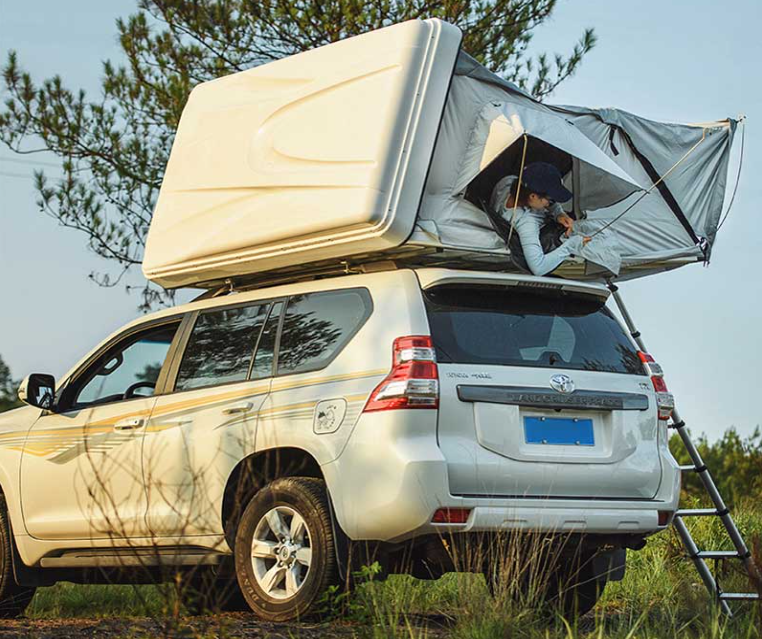
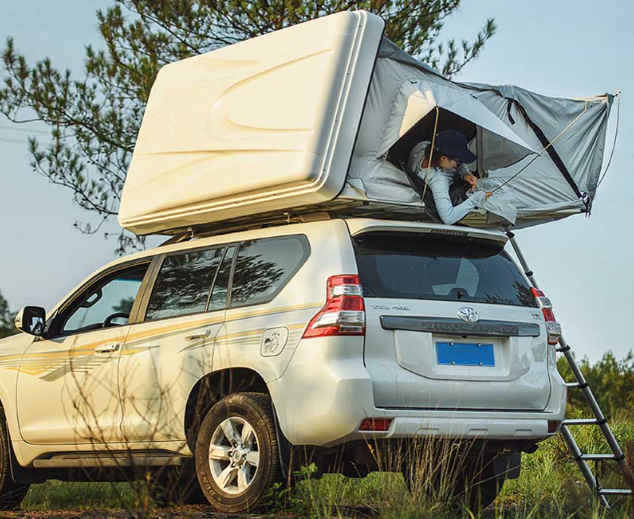
4 person rooftop tent is a type of camping tent designed to be mounted on the roof of a vehicle, such as a car, SUV, or truck. Essentially, it's a tent positioned atop a vehicle, offering various advantages in terms of comfort, safety, travel flexibility, and convenience.


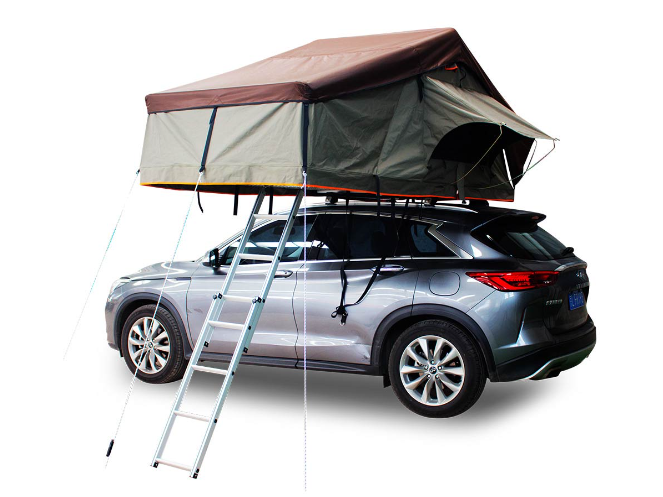
Rooftop tents are available in different sizes and designs, ranging from basic setups for two people to larger, more luxurious options featuring ladders, hard shells, and annexes for extra living space. Some models also include additional features like built-in mattresses, windows, and awnings.


However, it's crucial to note that not all vehicles can support the weight of a rooftop tent, especially when factoring in the weight of the occupants. Always check the weight capacity of your vehicle's roof and the weight of the tent you're considering before installation.
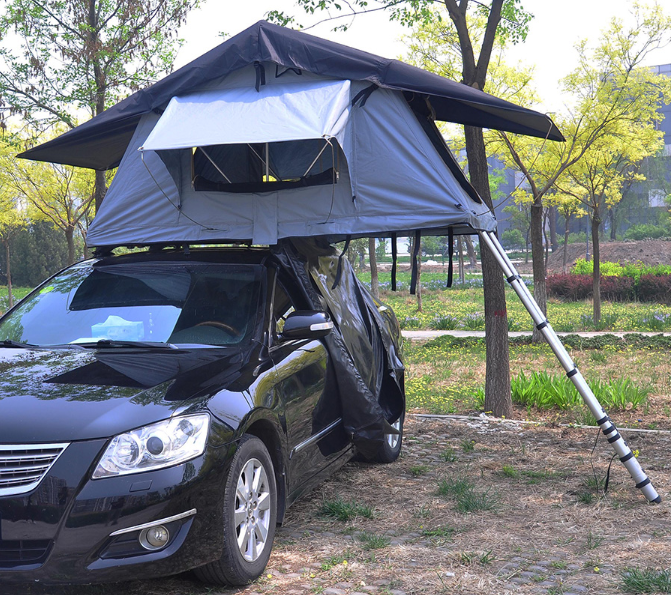
 

4 person roof top tent exporter


Advantages of Rooftop Tents

4 person rooftop tents offer several advantages, especially for enthusiasts of regular camping or road-tripping:


1. Comfort: Positioned above the ground, rooftop tents often provide a flatter and more comfortable sleeping surface compared to traditional tents, especially on rugged or uneven terrain. Many rooftop tents are equipped with built-in mattresses for enhanced comfort.


2. Protection: Being elevated provides an additional layer of protection against ground-dwelling insects, reptiles, or larger wildlife.


3. Easy Setup and Takedown: Many rooftop tents are designed for quick and effortless setup and takedown, often achievable by a single person. This convenience is particularly beneficial when frequently changing locations or arriving late at a campsite.


4. Versatility: Because the tent is affixed to your vehicle, you can camp in nearly any legal parking spot, expanding your options compared to traditional tents. Moreover, if your tent is mounted on a truck or a vehicle with high clearance, you can access areas that vans may struggle to reach.


5. Space Efficiency: Rooftop tents enable you to maximize the space on your vehicle's roof, freeing up interior space for additional gear or supplies. This leaves the campsite area around your vehicle available for other activities.


6. View: Depending on your camping location, the elevated position of a rooftop tent can offer outstanding views. Additionally, it can provide a sense of privacy, especially when camping in crowded areas.


7. Durability: Rooftop tents are typically constructed from sturdier materials compared to traditional tents. This enhances their resistance to harsh weather conditions and extends their lifespan.


8. Cleanliness: Being elevated decreases the chances of tracking dirt or sand into your tent, as often occurs with ground tents.


Drawbacks of Rooftop Tents

While rooftop tents offer an exciting and convenient camping option, there are several potential downsides to consider, especially when camping with children and pets:


1. Cost: Rooftop tents can be quite expensive, often costing thousands of dollars depending on the brand and size. This significant cost difference compared to ground tents, which can be as inexpensive as $100, may be a deterrent for some campers. However, when compared to trailers or camper vans, rooftop tents are generally more affordable.


2. Access: Entering and exiting a rooftop tent typically requires climbing a ladder, which can be challenging for young children and pets. It may also necessitate multiple trips up and down the ladder to accommodate everyone and everything, potentially causing inconvenience.


3. Safety: Young children may require supervision to prevent falls while climbing up or down from the tent or while inside it.


4. Bathroom Breaks: Navigating the ladder in the dark can be challenging for kids needing a nighttime bathroom break or for a dog needing to go outside.


5. Space: Despite coming in various sizes, rooftop tents are generally less spacious than traditional ground tents. For families with multiple children and a dog, it may feel cramped.


6. Weight Limitations: Rooftop tents have weight limits for both the tent itself and the vehicle's roof rack. It's essential to ensure that the combined weight of the tent, occupants, and gear stays within these limits.


7. Temperature Control: Rooftop tents can become quite warm during summer months due to direct sunlight exposure, which might be uncomfortable for children or pets during the day.


8. Restrictions: If you want to leave your campsite to go hiking or dine out, you need to collapse your tent to drive. Additionally, some campsites or parks may have restrictions on rooftop tents, so it's important to check the rules and regulations beforehand.


WHY CHOOSE A 4-PERSON ROOFTOP TENT FOR YOUR FAMILY

While there are some downsides to a rooftop tent, the pros outweigh the cons. The main reason for choosing a family rooftop tent over a pop-up camper is its suitability for frequent short camping trips. If you enjoy quick overnight trips with friends and kids, a rooftop tent is ideal.


Once mounted on your truck, the rooftop tent allows you to go off-roading and reach campsites that a camper van or trailer couldn't access. Being elevated off the ground provides safety from wildlife.


The setup and takedown process is much quicker since there are no tent poles to assemble or sleeping pads to inflate and deflate. You can easily set it up on your own, which is convenient for trips with the kids.


Everyone fits relatively comfortably in the 4-person tent. While it isn't as spacious as an 8-person tent, it is comfortable, and the kids enjoy sleeping close to you.

Wednesday, November 12, 2025

Everything You Need to Know About Roof Top Tent Safety

 If you're seeking a new camping experience, consider trying rooftop tenting. These durable and spacious tents elevate you off the ground, providing maximum comfort. They are also easy to set up and maintain, allowing you to fully enjoy your camping trip.


However, camping on your roof doesn't eliminate common safety concerns. Similar to traditional camping, rooftop camping requires some preparation. Here is everything you need to know about rooftop tent safety.


Are Roof Top Tents Safe?


To answer your most pressing question: yes, roof top tents are totally safe. The idea of sleeping on a vehicle’s roof leads some people to believe the activity is dangerous. However, roof top tenting is completely safe as long as you do it the right way.


Of course, there are some valid concerns that make people uneasy. For example, how do you protect yourself from bad weather while on top of your roof? What are the falling risks associated with roof top tents? Are they safe to drive with?


If these questions are keeping you from exploring the world of roof top tents, don’t worry—we’re here to put your mind at ease.


4wd roof top tent sale


How to Stay Safe While Roof Top Tenting


To protect yourself, your vehicle, and your belongings while rooftop tenting, you'll need to take a few precautions. We’ll cover all the essentials to give you a solid foundation. To avoid cutting your camping trip short, incorporate these best practices into your routine.


Choose a Durable Tent


Since weather conditions can be unpredictable, especially on long camping trips, selecting a durable tent is crucial. A high-quality tent will withstand heavy rains and strong winds, provide shade from the sun, and keep you warm in winter.


Look for rooftop tents made from strong materials like acrylic-coated polyester. This fabric repels rainwater and condensation, keeping you and your gear dry. Additionally, a sturdy frame will resist bending in the wind, allowing you to stay secure regardless of the weather conditions.


Drive and Park Safely


Did you know you can drive with a rooftop tent on your vehicle without having to disassemble and reassemble it each time you hit the road? However, driving carefully with these camping accessories is crucial to avoid accidents.


Always adhere to traffic laws and maintain appropriate speeds. Avoid exceeding 70 mph, as driving faster than this could pose risks to you, your tent, and your passengers.


Additionally, be cautious about where you park. Avoid setting up camp under large trees or on inclines. Falling branches could damage your tent, and camping on uneven ground will result in an uncomfortable night's sleep.


Stay within Weight Limits


While high-quality rooftop tents and truck bed campers often boast high weight capacities, it's important not to exceed your vehicle's weight limit. Be mindful of both your truck's weight limits and the maximum weight capacity of your rooftop tent.


Consider your own weight along with the weight of any guests who will be sleeping in the tent. Additionally, factor in the weight of your mattress, gear, and other essential accessories.


Adding excess weight to your vehicle can make it more difficult to drive. It's always better to pack lightly rather than overloading your tent with unnecessary items.


Close Tent Doors While Sleeping


While it may be tempting to unzip your tent screens and sleep in the open air, doing so increases the risk of falling. Most trucks are at least six feet tall, so leaving the tent doors wide open means a significant distance to the ground.


Maintain Security


Ensuring safety involves more than just weather and falling risks—it also entails security. You never know who might be nearby when camping, so keeping your tent and camping gear secure is vital to safeguard your belongings from potential theft.


Utilize anti-theft straps and locking bolts to secure your tent and accessories. Consider investing in a vibrational alarm system to deter thieves while you're away exploring the terrain. This allows you to hike, fish, and engage in other activities away from your campsite without concerns about your belongings disappearing.


Practice Safe Camping Measures


Roof top tenting largely parallels traditional camping, but it's important to observe special safety precautions. Alongside these, adhere to standard camping practices to safeguard against uncertainties. This entails packing for unforeseen circumstances, prioritizing fire safety, and discreetly storing food and trash.


Ensure you have extra clothing and blankets for warmth and dryness. Pack non-perishable food items and an ample water supply. Never leave a fire unattended, and securely store garbage in trees or air-tight containers to deter wildlife from your campsite.


Consider Professional Installation


While assembling roof top tents isn’t overly complex, opting for professional installation services enhances safety. Skilled installers will ensure your camper and tent are securely mounted with durable hardware, alleviating concerns about potential falls or equipment damage.

Tuesday, September 2, 2025

Hard-Shell Rooftop Tents: Buyers Guide

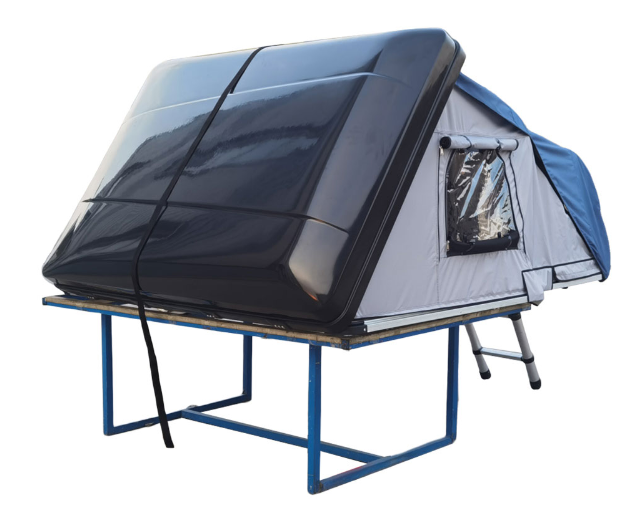
 In recent years, hard-shell rooftop tents (RTTs) have gained significant popularity, and there are compelling reasons for this despite their generally higher cost compared to soft-shell models. While both have their respective pros and cons, hard-shell tents are generally more durable, streamlined, and practical for specific applications.


The practicality of a rooftop tent is evident not only in its ease of operation (hard-shell variants often open and close rapidly) but also in its construction. Robust materials such as fiberglass or aluminum make them more resistant to wear and tear compared to their soft-shell counterparts. Hard-shell tents also offer options for storing lightweight gear and even solar panels on top of the shell, with the ability to attach tools like axes and shovels to the side of the tent frame.


Some argue that hard-shell rooftop tents offer greater security when closed, as certain models can be locked.


Another practical advantage of hard-shell units is their resistance to precipitation, snow, and morning dew. They typically feature a waterproof and insulated shell, keeping occupants dry and comfortable. In contrast, moisture often needs to be removed from a soft-shell tent before it can be closed.


Hard-shell tents usually come with thicker mattresses and superior insulation, providing a more comfortable sleeping experience. However, soft-shell tents tend to be available in larger configurations, accommodating up to five people.


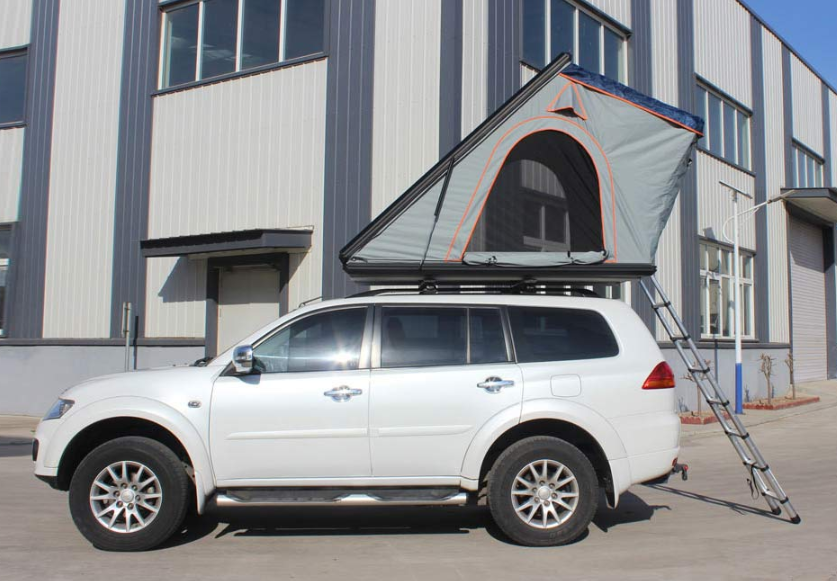
hard-shell rooftop tent

Waterproof 4 Person Roof Top Tent Car Rooftop Tent ABS Clamshell Hard Shell Top Roof Tent For 4X4 Camping


Advantages of Hard-Shell Rooftop Tent


Durability and Weather Resistance


Hard-shell rooftop tents are renowned for their durability. Constructed from robust materials like fiberglass, ABS plastic, or aluminum, these tents can withstand harsh weather conditions better than their soft-shell counterparts. The hard exterior provides excellent protection against rain, wind, and even snow, ensuring that you stay dry and comfortable regardless of the elements.


Ease of Setup and Breakdown


One of the standout features of hard-shell rooftop tents is their ease of setup. Most models can be set up or taken down in a matter of minutes, often with just one person. This is particularly advantageous for solo travelers or those who frequently change camping locations. The straightforward mechanism, typically involving gas struts or hydraulic arms, makes the process quick and hassle-free.


Aerodynamics and Fuel Efficiency


The sleek design of hard-shell rooftop tents contributes to better aerodynamics compared to soft-shell tents. This improved design can lead to increased fuel efficiency, reducing the drag on your vehicle. For frequent travelers, this means cost savings on fuel and a smoother driving experience.


Conclusion


Overall, hard-shell tents boast sleek and modern designs, enhancing the aesthetics of your vehicle. Some models even include built-in ventilation and lighting systems, catering to travelers' preferences. Although the concept of the hard-shell rooftop tent was first introduced in 1958, there has been significant innovation in recent years in response to the growing popularity of overland travel.


When choosing between a hard-shell and a soft-shell rooftop tent, personal preferences play a crucial role. If you prioritize space over convenience, you might lean toward a larger, family-style soft-shell tent. However, these can be quite expensive and are considered a long-term investment. It's important to note that hard-shell RTTs can occupy the entire roof space of a vehicle, whereas even a small rack on a soft-shell can carry a substantial amount of bulky yet lightweight gear. Here is the buyer’s guide. Happy shopping!

Thursday, August 21, 2025

Will a Fiberglass Camper Shell Hold a Rooftop Tent?

 When considering the installation of a rooftop tent on your vehicle, one crucial factor to consider is whether your fiberglass camper shell can support the weight and use of such a tent. Fiberglass camper shells are a popular choice among adventurers due to their lightweight and durable properties, but they do have limitations. This comprehensive guide will explore whether a fiberglass camper shell can hold a rooftop tent, discussing the factors that influence this decision and offering practical advice for safe and effective use.


Structure of Fiberglass Camper Shells


Fiberglass camper shells are designed to be both lightweight and durable, providing a practical solution for those looking to protect their cargo while adding minimal weight to their vehicle. The construction of these shells typically involves layers of fiberglass reinforced with resin, creating a strong yet lightweight structure. However, the load-bearing capacity of these shells can vary significantly based on their design and construction quality.


Weight Capacity and Load Distribution


One of the primary concerns when mounting a rooftop tent on a fiberglass camper shell is the weight capacity. The average rooftop tent can weigh anywhere from 100 to 200 pounds, not including the weight of occupants and gear. Most fiberglass camper shells are not designed to support such loads directly on their roofs.


The load distribution also plays a critical role. Rooftop tents are generally designed to distribute their weight evenly across mounting points, but this can still put significant stress on the camper shell. It’s crucial to check the manufacturer’s specifications for both the camper shell and the rooftop tent to ensure compatibility.


fiberglass rooftop tent

2500Mm 420D Fiberglass Reinforce Plastic 4 Person Largest Roof Top Tent Hard Shell Insulated


Reinforcing Your Fiberglass Camper Shell


If you have a fiberglass camper shell and are set on using a rooftop tent, you may need to consider reinforcement. Reinforcing your camper shell can help distribute the weight more evenly and provide additional support.


Internal Supports and Roof Racks


Installing internal supports is one method of reinforcement. These supports can be custom-fitted to your camper shell’s interior and are designed to bear the load that the roof would otherwise support. Another option is installing a roof rack that is designed to be compatible with your camper shell. Roof racks can help distribute the weight of the rooftop tent more evenly and provide additional points of attachment.


Professional Assessment and Installation


For optimal safety and performance, consider having a professional assess your fiberglass camper shell and install the necessary reinforcements. Professional installation ensures that all modifications are made correctly, reducing the risk of damage to your camper shell or vehicle.


Choosing the Right Rooftop Tent


Not all rooftop tents are created equal, and choosing the right one for your fiberglass camper shell is essential. Here are some factors to consider:


Weight and Size


Select a rooftop tent that is within the weight capacity of your reinforced camper shell. Lightweight models are available that are specifically designed for use with smaller vehicles and camper shells. Additionally, consider the size of the tent when folded and expanded to ensure it fits your vehicle without obstructing any functions or creating aerodynamic issues.


Mounting System


The mounting system of the rooftop tent should be compatible with your camper shell or roof rack. Look for tents with adjustable mounts that can be tailored to fit different setups. Secure mounting is crucial for safety while driving and when the tent is in use.


Maintaining Safety and Functionality


When using a rooftop tent on a fiberglass camper shell, safety should always be the priority. Here are some tips to ensure safe and effective use:


Regular Inspections


Regularly inspect your camper shell, roof rack, and rooftop tent for any signs of wear and tear. Look for cracks, loose bolts, or any other issues that could compromise the integrity of the setup.


Proper Usage and Weight Distribution


Follow the manufacturer’s guidelines for setting up and using your rooftop tent. Ensure that weight is distributed evenly and that the tent is properly secured before use. Avoid overloading the tent beyond its rated capacity.


Driving Considerations


Be mindful of how the additional weight and height of the rooftop tent affect your vehicle’s handling. Drive more cautiously, especially when taking corners or driving in windy conditions.


Conclusion


In conclusion, while a fiberglass camper shell can potentially hold a rooftop tent, it requires careful consideration of the shell's weight capacity, proper reinforcement, and suitable tent selection. By following the steps outlined in this guide, you can safely and effectively enjoy the benefits of a rooftop tent on your adventures.

Thursday, May 15, 2025

Rooftop Tent Car Camping: A Guide to Gear, Installation

 Exploring the great outdoors through car camping has always been a beloved pastime for adventurers seeking a blend of convenience and nature immersion. However, traditional ground tents often come with their own set of challenges, from uneven terrain to potential critter visitors. Enter rooftop tent car camping, a rising trend among outdoor enthusiasts looking to elevate their camping experience—literally. In this comprehensive guide, we'll delve into the gear, installation process, and essential tips for rooftop tent car camping.


Rooftop Tent Car Camping


Choosing the Right Rooftop Tent


Before embarking on your rooftop camping journey, it's crucial to select the right tent for your needs. Rooftop tents come in various styles, sizes, and materials, catering to different preferences and budgets. Hardshell tents offer quick setup and superior protection against the elements, while softshell tents are lighter and more versatile for off-road adventures.


Consider factors such as sleeping capacity, ease of setup, and additional features like built-in mattresses, annex rooms, and ventilation systems. Researching reputable brands and reading customer reviews can help you make an informed decision tailored to your camping style and requirements.


Installation and Mounting


Installing a rooftop tent may seem daunting at first, but with the right equipment and guidance, it can be a straightforward process. Begin by ensuring that your vehicle's roof rack system is compatible with the weight and dimensions of the tent. Most rooftop tents come with mounting hardware and instructions for easy installation.


Start by positioning the tent on your vehicle's roof rack, making sure it's centered and securely attached. Use the provided mounting brackets and bolts to fasten the tent to the rack, following the manufacturer's guidelines for proper alignment and tension. Once installed, perform a thorough inspection to confirm stability and safety before hitting the road.


Essential Gear and Accessories


In addition to the rooftop tent itself, there are several essential gear and accessories to enhance your car camping experience. Invest in high-quality bedding, such as sleeping bags or comfortable blankets, to ensure a restful night's sleep. Portable lighting solutions, like LED lanterns or string lights, can illuminate your campsite and create a cozy ambiance after dark.


Don't forget about cooking essentials, such as a portable stove, cookware, and utensils, for preparing delicious meals on the go. A collapsible table and chairs provide a comfortable dining area, while storage containers and organizers help keep your gear tidy and accessible. Consider investing in a portable shower system for refreshing outdoor showers during extended trips.


Tips for Rooftop Tent Car Camping


While car rooftop tent camping offers numerous benefits, it's essential to be prepared and mindful of potential challenges. Here are some tips to enhance your rooftop camping experience:


1. Practice Setup: Familiarize yourself with the setup and takedown process of your rooftop tent before your trip to streamline the process at the campsite.

2. Weight Distribution: Distribute weight evenly within the tent and on your vehicle's roof rack to maintain balance and stability while driving.

3. Weather Preparedness: Monitor weather forecasts and prepare accordingly with appropriate clothing, gear, and shelter options for varying conditions.

4. Campsite Selection: Choose campsites with level ground and sufficient clearance for your vehicle, ensuring a safe and comfortable camping experience.

5. Leave No Trace: Follow Leave No Trace principles to minimize your environmental impact and preserve the natural beauty of your camping destinations.


By following these tips and investing in quality gear, you can make the most of your rooftop tent car camping adventures while enjoying the freedom to explore off-the-grid destinations.

Monday, March 17, 2025

Why are roof top tents so popular?

 If you're curious about why roof tents are rapidly becoming one of the most favored camping options, let's delve into it!


1. Quick Setup and Pack-Up:


Unlike traditional ground tents, which can be time-consuming to set up with inner and outer components, roof tents offer swift assembly. Typically, they take only about 30 seconds to open and a bit longer to close. This efficiency not only saves time but also alleviates the hassle, especially on dark and rainy nights.


2. Cost-Effective Alternative to Caravans, Campervans, and Motorhomes


Roof tents typically offer a more budget-friendly option compared to caravans, campervans, and especially motorhomes. Not only are they cheaper to purchase initially, but they also incur fewer ongoing expenses. With alternatives like caravans and campervans, you may need to pay for storage facilities, and additional insurance is necessary. Even when not in use, these vehicles incur costs. Moreover, there are often additional expenses for breakdowns, repairs, and renovations, particularly with older campervans. These costs can accumulate quickly, especially as older models may require extensive renovations before they are roadworthy.


3. Expanded Camping Options


Roof tents offer the flexibility to camp in a wider range of locations. Unlike traditional ground tents, which require a large, flat, dry, and soft surface for setup, roof tents can be installed on various surfaces. This versatility allows you to access more free or wild camping spots that may not meet the specific conditions required for ground tents. Caravans and large motorhomes often struggle with space limitations in such areas, restricting you to campsites.


hard shell roof tent


4. Flood Proof


Because roof tents are up high on top of your vehicle, there’s no chance of getting flooded in the night after a heavy downpour like with a normal tent. So if you’re planning on going anywhere with unpredictable weather, these might just save you a very wet trip to the dry cleaners!


5. Better Views


Roof tents offer superior views due to their elevated position atop your vehicle compared to being at ground level in a tent or campervan. Additionally, roof tents equipped with two doors and two windows provide 360-degree views, further enhancing the beauty of the surrounding scenery.


6. Extra Vehicle Storage Space


Roof tents offer extra vehicle storage space for your belongings compared to ground tents because you can store items in the roof tent even when it's closed. This feature is particularly convenient when you need to quickly pack up and leave, as it makes the process faster and easier, especially for leaving bedding behind.


7. Stronger and More Durable Than Ground Tents


High-quality roof tents typically feature more durable canvas material than ground tents, and hard shell roof tent designs offer a sturdy structure. This design ensures that the roof tent is both leakproof and quieter during windy and rainy conditions, ultimately providing a better night's sleep.


8. Warmer Than Ground Tents


The thicker canvas material and hard ABS/fiberglass shell found in quality roof tents offer better insulation compared to regular tents. This means that heat is retained more effectively, keeping the interior nice and toasty even during chilly winter nights. This feature is particularly advantageous for winter camping trips when temperatures drop significantly.

Tuesday, January 7, 2025

Are Canvas Tarps Worth It?

 Canvas tarps have stood the test of time and are now favored for a multitude of uses. Crafted from cotton or polyester and coated with a wax layer for water resistance, they offer durability and versatility. However, alongside their benefits, canvas tarps also come with drawbacks. In this blog, we'll delve into the advantages and disadvantages of using canvas tarps.


Pros


Durability: While our experts typically advocate for vinyl material in heavy-duty applications, certain canvas tarps can still offer strength and resilience depending on the use case. Reinforced 18oz and 21oz canvas tarps, for instance, can endure rain and snow, rendering them suitable for outdoor environments.


Breathability: Unlike other types of tarps, canvas tarps are breathable. This means that they allow air to circulate, preventing moisture from building up and reducing the risk of mold and mildew. This makes them ideal for covering items that need to be stored for long periods of time.


Versatility: Canvas tarps come in a range of sizes and colors, offering suitability for various purposes. Whether as covers for boats, cars, or machinery, or as ground sheets for camping and outdoor activities, their versatility is unmatched.


Environmentally friendly: Crafted from 100% Duck Cotton, canvas tarps are composed of natural materials that are biodegradable, presenting a more eco-friendly option compared to other tarps.


Cost-effective: In many instances, canvas tarps present an affordable solution for those seeking durable and long-lasting covers. Certain sizes often come at lower prices than alternative tarp options, making them a budget-friendly choice.


Canvas Tarp & Shelter


Cons


Weight: Compared to other types of tarps, some canvas variants tend to be heavier, posing challenges in handling and transportation. Their weight becomes especially noticeable when wet, making them more difficult to manage.


Waterproofing: While canvas tarps typically exhibit water resistance, they may not offer complete waterproofing. This limitation renders them unsuitable for covering items requiring absolute dryness, such as electronics or delicate equipment.


Limited lifespan: Despite their overall durability, canvas tarps and shelter, like most others, have a finite lifespan. Over time, they can become brittle and deteriorate, particularly when exposed to sunlight or harsh weather conditions like extreme cold.


Tarpaulin vs Canvas: Their Differences


Material


Tarpaulin is made of synthetic materials such as polyester, nylon, or polyethene, which are laminated or coated with PVC or polyurethane.

On the other hand, canvas is made of natural fibres like cotton or linen, which are woven together to form a sturdy fabric.


Water Resistance


Tarpaulin offers complete waterproofing, effectively repelling water and protecting items even in wet conditions.

Similarly, canvas displays water resistance, though it's important to note that it may develop mildew in humid environments due to moisture accumulation on its surface.


Sustainability


Canvas is typically crafted from natural materials like cotton, linen, or hemp, making it biodegradable and recyclable.

On the other hand, tarpaulin is composed of synthetic materials that are non-biodegradable and can take many years to decompose, contributing to environmental pollution.


Conclusion


In summary, canvas tarps offer numerous benefits, including durability, breathability, versatility, sustainability, and affordability. However, they do come with drawbacks, such as weight, limited waterproofing, maintenance needs, finite lifespan, and flammability. When selecting a tarp, it's crucial to assess the intended use case and carefully evaluate the pros and cons of each tarp type before reaching a decision.

Canvas Tarp & Shelter

Monday, December 9, 2024

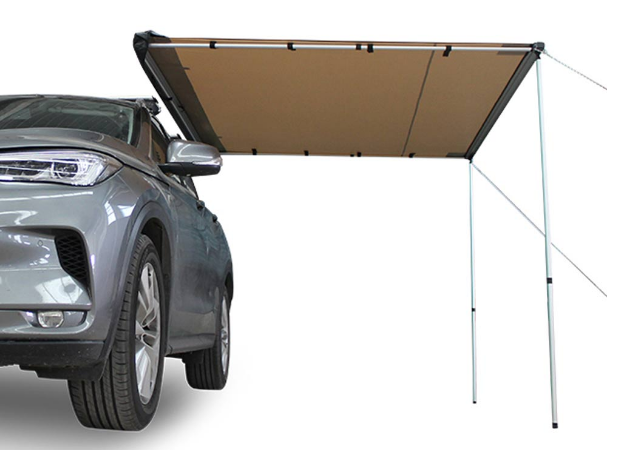
What are the things to consider before buying a vehicle awning?

 An over-the-door canopy offers an excellent solution for seeking refuge from the elements during fishing or hunting road trips.


1. The enjoyment of car camping, beach driving, and off-roading is further heightened with additional shelter provided by a vehicle awning. Similar to an RV or sun porch awning, the retractable fly unfurls or folds away when not in use and can be deployed within minutes at your camp or picnic site. If you put a lot of miles on the road and break often to rest, cook, or just relax in the outdoors, a vehicle awning adds a whole new level of comfort, shelter, and privacy. Most vehicle awnings mount on the perimeter of a roof-rack system so that they remain aerodynamic during travel.


2. However, different models offer varying degrees of coverage, ranging from 90 to 270 degrees. Some models also provide the option to attach one or more side shelters to partially or fully enclose the awning, providing additional protection against the elements.


3. Some awning materials are marketed as waterproof, while others are not. If you reside in an arid environment like the desert southwest, where shade is prioritized over rain protection, the waterproof feature may be less crucial. In case of unexpected rainstorms, you can angle a non-waterproof awning downward to facilitate drainage and reduce the risk of leakage.


Vehicle awnings


Vehicle awnings have become a popular accessory for outdoor enthusiasts, offering shade and shelter during camping trips, picnics, and outdoor events. Whether you're an avid camper or just someone who enjoys spending time outdoors, investing in a vehicle awning can greatly enhance your outdoor experience. However, before making a purchase, there are several factors to consider to ensure you choose the right awning for your needs. Here are other important things to to keep in mind:


1. Size and Compatibility


One of the first things to consider when buying a vehicle awning is its size and compatibility with your vehicle. Awnings come in various sizes, ranging from small awnings suitable for compact cars to larger ones designed for trucks, SUVs, and RVs. Before making a decision, measure the space available on your vehicle where you intend to mount the awning. Take into account the height, width, and length of the area to determine the maximum size of the awning that will fit comfortably.


Additionally, consider the compatibility of the awning with your vehicle's roof rack or mounting system. Some awnings are designed to be easily attached to roof racks or roof bars using brackets or clamps, while others may require specific mounting hardware or adapters. Ensure that the awning you choose is compatible with your vehicle's roof configuration to avoid any installation issues or compatibility problems.


2. Material and Durability


The material and construction of the car awning are crucial factors to consider, especially if you plan to use it frequently in various weather conditions. Awnings are typically made from durable fabrics such as polyester, canvas, or ripstop nylon, which are designed to withstand exposure to sunlight, wind, rain, and other outdoor elements. When evaluating awnings, pay attention to the quality and thickness of the fabric, as well as any additional coatings or treatments that enhance its durability and weather resistance.


Another aspect to consider is the frame material of the awning. Most awnings feature lightweight yet sturdy frames made from aluminum or steel, which provide stability and support when the awning is deployed. Look for awnings with rust-resistant frames and components to ensure long-lasting performance, particularly if you plan to use the awning in coastal or humid environments where corrosion is a concern.


3. Ease of Use and Setup


Ease of use and setup are essential considerations, especially if you frequently travel solo or prefer hassle-free outdoor equipment. Look for awnings that are designed for quick and easy deployment, with features such as telescoping legs, self-locking mechanisms, and intuitive adjustment options. Some awnings come with integrated poles or support arms that can be easily extended and secured without the need for additional tools or accessories.


Additionally, consider the overall design and functionality of the awning, including the ease of adjusting the angle and height to accommodate different weather conditions and preferences. Look for awnings with user-friendly features such as roll-up or retractable mechanisms, zip-out panels for ventilation and airflow, and built-in accessories like LED lighting or mosquito nets.


​Conclusion


Roof awnings are not one-size-fits-all. It's essential to review the manufacturer's recommendations to ascertain if the awning you're considering will fit your vehicle properly. Additionally, consider whether separate mounting hardware needs to be purchased. Many products in the roof-rack and storage category may require additional components that are sold separately.

Wednesday, November 13, 2024

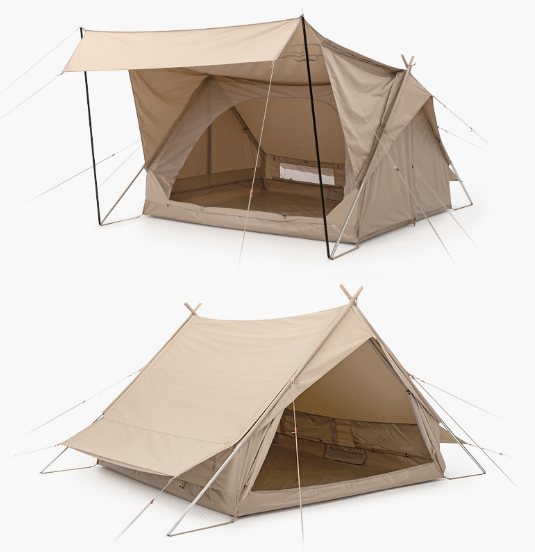
Canvas Tent Vs Nylon Tent: Which One Is the Best for Your Camping Needs?

 When it comes to camping, selecting the right tent is a pivotal decision that can significantly impact your overall camping experience. Among the plethora of options available, canvas and nylon tents stand out as two popular choices. While canvas tents boast a long-standing history, nylon tents have gained popularity in recent years. In this article, we'll compare canvas tents and nylon tents to assist you in determining which one best suits your camping requirements.


Cotton Canvas Tent


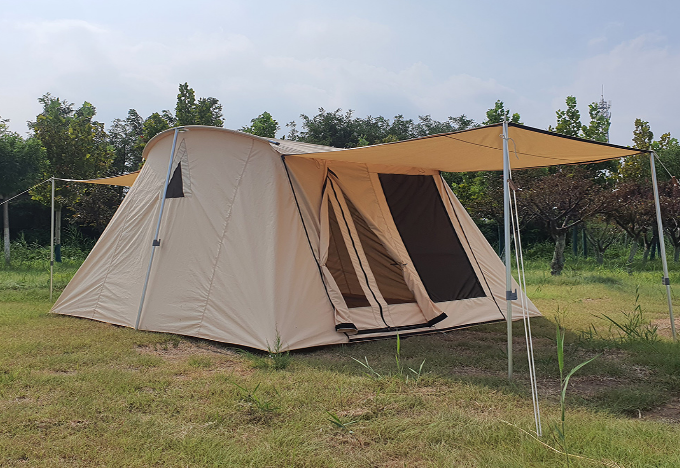
Canvas Tents


Canvas tents have a rich history spanning centuries in camping. Constructed from cotton, polyester, or a blend of both known as cotton-poly canvas, these tents feature heavy-duty material renowned for its durability and longevity. Notably, canvas tents excel at providing warmth during chilly nights and maintaining coolness on hot days, making them suitable for camping in all seasons.


Pros of Canvas Tents:


- Durability: Canvas tents are exceptionally durable and can withstand harsh weather conditions, making them suitable for all seasons.

- Breathability: Canvas tents allow air to flow through them, providing excellent ventilation, particularly beneficial in hot weather.

- Insulation: With outstanding insulation properties, canvas tents keep you warm during cold nights, and you can even use a wood stove for added warmth.

- Headroom: Many canvas tents offer ample headroom, with the lowest point typically around 5 feet, allowing for comfortable movement inside.

- Space: Canvas tents are spacious and can accommodate multiple occupants along with their gear.


Cons of Canvas Tents:


- Heavy: Camping canvas tents are heavier than nylon tents, making them challenging to transport and unsuitable for hiking.

- Expensive: Canvas tents come with a higher price tag compared to nylon tents, representing an investment for frequent use.

- Require Maintenance: Cotton canvas tents require regular maintenance, including waterproofing and treatment to prevent mildew.

- Setup: Setting up a canvas tent is best done with two people and can take an average of 30 to 60 minutes, particularly for those unfamiliar with the process.


Cotton Canvas Tent


Nylon Tents


Nylon tents are lightweight and highly portable. Constructed from nylon fabric, a synthetic material, these tents have gained popularity in recent years, particularly among backpackers and hikers.


Pros of Nylon Tents:


- Lightweight: Nylon tents are lightweight and easy to transport, making them ideal for backpacking and hiking trips.

- Affordable: Nylon tents are more budget-friendly compared to canvas tents, offering a cost-effective option for campers.

- Easy to Set up: Nylon tents are straightforward to set up and take down, providing convenience for first-time campers or those seeking a hassle-free camping experience.


Cons of Nylon Tents:


- Not as Durable: Nylon tents are not as durable as canvas tents and can be easily damaged if not handled carefully. Even minor objects like stray poles or sticks can puncture the material.

- Poor Insulation: Nylon tents typically provide less insulation than canvas tents, which may lead to discomfort during cold nights without proper sleeping gear.

- Not Breathable: While some high-quality nylon tents incorporate good ventilation, many do not, leading to potential condensation issues.


Canvas Tents vs. Nylon Tents – Which One is Better?


The choice between a cotton canvas tent and a nylon tent hinges on your specific camping requirements. If durability, insulation, and breathability are paramount, a canvas tent emerges as the superior option. Though pricier, canvas tents justify the investment with their longevity and versatility across various weather conditions, making them ideal for frequent and long-term camping ventures.


Conversely, for backpackers or hikers seeking a lightweight and cost-effective solution, nylon tents offer the optimal choice. Easy to set up and dismantle, nylon tents cater to those prioritizing convenience and portability, rendering them ideal for hassle-free camping experiences on the move.


FAQs


Q: Are canvas tents better than nylon tents?


A: Yes, canvas tents are better than nylon tents in terms of durability, insulation, and breathability. However, nylon tents are more affordable and lightweight, making them a good option for backpackers and hikers.


Q: How long do canvas tents last?


A: A canvas tent can last up to 20 years with proper maintenance.


Q: Are canvas tents difficult to set up?


A: Yes, canvas tents can be more challenging to set up than nylon tents due to their weight and size.


Conclusion


In conclusion, choosing between a canvas tent and a nylon tent depends on your camping needs. Canvas tents are more durable and provide better insulation and breathability, making them perfect for all seasons. On the other hand, nylon tents are lightweight and affordable, making them ideal for backpackers and hikers.

Monday, October 21, 2024

The Benefits Of Canvas Tents: Durability, Beauty & More

 When durability across generations is your priority, there's no better choice than a canvas tent. Meticulously crafted and built to last, canvas tents offer a blend of functionality, practicality, and aesthetic appeal. This versatile shelter caters to the needs of campers, glampers, hunters, overlanders, festival enthusiasts, and more.


But what exactly makes canvas tents so advantageous? Let's delve into the myriad benefits they offer.


Advantages and Benefits Of Canvas Tents


Canvas wall tents come with their share of considerations, yet they boast numerous advantages that campers should carefully consider. While the option to install a wood-burning stove is notable, there are many other perks that may not immediately come to mind.


Here, we'll uncover the array of reasons why canvas tents elevate the camping experience.


Canvas Tents Are Built Tough


Canvas tents are renowned for their ruggedness, constructed with sturdy hardware and a robust frame that can brave the elements. Unlike their plastic counterparts, canvas tents demonstrate remarkable resilience against storms and high winds.


Here's a breakdown of the tough features that set canvas tents apart:


1. Durable pole system: Typically crafted from metal or aluminum, the frame poles of canvas tents provide reliable support.

2. Thick cotton canvas: With a weight of 10.5 ounces or more, canvas tents offer superior durability compared to polyester alternatives. We utilize an even thicker 11.5-ounce canvas, setting the standard for durability in the market.

3. Guy line ropes: Equipped with reflective guy lines featuring aluminum sliders, canvas tents allow for easy adjustment to tighten the structure, effectively shedding rain and condensation.

4. Steel stakes: Robust rebar steel stakes are capable of penetrating hard ground with ease, ensuring stability even in challenging terrain.

5. Enclosed waterproof floor: Many canvas tents come with a waterproof floor, effectively keeping water out. Some models, like ours, feature a zippered or sewn-in floor, while others allow for a separate floor to be laid down inside after setup.


Concerned about the weight of all these heavy-duty materials and poles? While nylon or polyester tents may offer lighter alternatives, they simply can't match the durability of a canvas tent with a metal frame. While not ideal for backpacking, canvas tents excel on longer car camping trips, particularly with larger groups, and are especially suited for extended stays of two weeks or even two months.


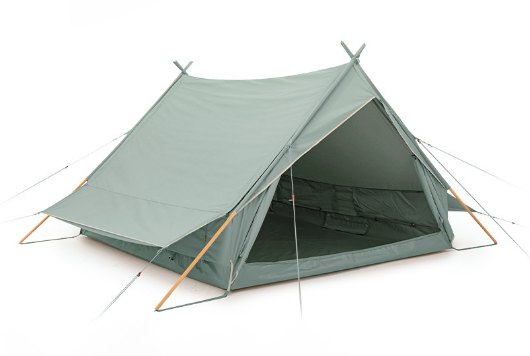
Cotton Canvas Spring Bar Tent


Canvas Tents Are Built For Long-Term Use


Canvas tents are engineered for longevity and surpass standard tents with proper upkeep. With adequate protection and maintenance, a canvas tent can serve as a four-season shelter, enduring year-round use and lasting for many years with diligent care.


Whether you're embarking on winter camping adventures or setting up a hunting base at the family's deer camp, a canvas tent is designed to withstand prolonged use. Transform it into a cozy home away from home, or enhance its longevity by constructing a wooden platform deck for optimal preservation over the years.


Canvas Tents Are Made With Breathable & Insulative Cotton


Cotton canvas tents excel in maintaining warmth during four-season camping due to their tightly woven cotton construction, which offers excellent insulation. However, the insulative properties of cotton canvas extend beyond keeping you cozy during winter and chilly nights.


While some may assume that this insulation would create a stuffy environment, the reality is quite the opposite. Unlike synthetic tents that trap humidity, moisture, and perspiration under the rainfly, resulting in a damp atmosphere, canvas tents made of breathable cotton materials allow for superior airflow.


In fact, cotton canvas is exceptionally breathable, making it more resistant to mold and mildew buildup compared to synthetic alternatives.


Aside from the breathable cotton material, canvas tents are typically designed with extra features to allow for more airflow. Even during winter months, a tent can feel like a sauna and circulation is always needed. Especially in the summer, when even a canvas tent can get a bit too hot when in direct sunlight. For this, canvas tents offer features such as:


1. Mesh-panel screened windows and doors facilitate airflow while keeping insects out.

2. Roll-up side walls with overhangs allow for increased ventilation and shade control.

3. Ceiling ventilation points enhance air circulation within the tent.

4. Electrical entrance points enable the use of fans for additional cooling.

5. An A/C exit port provides compatibility with air conditioning units for hot weather camping.

6. Optional fly cover offers added shade protection during sunny days.


In summary, with its combination of design elements, a canvas tent excels in maintaining a comfortable temperature regardless of outdoor conditions.


Canvas Tents Are Waterproof


Canvas tents are remarkably waterproof despite being crafted from breathable and insulative cotton. But how does a material designed for breathability manage to keep rain and snow at bay without leaking?


First and foremost, the correct pitching of the tent plays a crucial role. When pitched correctly, the surface tension of the canopy causes water droplets to bead and slide off, akin to water rolling off a goose's feathers. A well-pitched canvas tent, featuring a taut and steep roof, effectively prevents water from pooling and seeping through.


In the event of heavy rainfall, the cotton fibers of the canvas tent absorb water, causing them to swell and create an even tighter woven material. However, it's essential to treat virgin canvas with a waterproofing agent to maintain its water-repelling properties over time, especially after prolonged use.


When it comes to snow, a canvas tent fares well against moisture. However, it's important to monitor the amount of snowfall and the weight it adds to the structure. While canvas tents boast superior strength compared to synthetic counterparts, it's essential to note that the frame may struggle to support heavy loads of wet snow, typically around 6 inches or more.


Canvas Tents Offer Spacious & Roomy Interiors


Canvas tents offer ample space, allowing for the accommodation of multiple standing individuals along with all necessary gear and more. With features like side walls or a central pole design, canvas tents provide standing room, enabling occupants to move freely on foot instead of crawling on the ground.


Canvas Tents Are Highly Versatile & Serve as Multipurpose Spaces


Canvas tents are incredibly versatile and serve purposes beyond just camping. With their attractive design and robust construction, canvas tents can enhance various settings. Whether it's glamping, hunting trips, group road adventures, or backyard parties, canvas tents fit right in.


Set one up in your backyard for personal use or transform it into a glamping retreat for a Hipcamp or Airbnb rental. A multipurpose canvas tent offers practicality, especially for those seeking adaptable living spaces or event venues.


Here are some multipurpose space ideas:


- Guest Room

- Home Office

- Artist Studio

- Yoga Studio

- Meditation Room

- Home Gym

- Birthday Party Space

- Coat Check

- Photo Booth

- Emergency Shelter


Canvas Tents Are Easy to Repair


Repairing canvas tents is a breeze, contributing to their sustainability. As we discussed earlier, the durability of canvas tents is a key factor, thanks to the robustness of canvas material which is less prone to tearing or ripping.


In the event of a tear, repairing it is simple and can be done on the spot, even in the field. All you need is a threading kit and a scrap piece of canvas. After patching up the tear, applying waterproof sealant ensures protection against condensation and rain. This method is far more efficient than struggling with adhesive patches that may peel up or require multiple adjustments.


On the other hand, repairing tears in nylon or polyester tents often involves tape patches, which may provide a quick fix but can compromise the tent's structural integrity over time. While canvas tents still require maintenance, their overall quality and durability make them a worthwhile investment.